When it comes to building strength and muscle mass, compound movements reign supreme in the world of fitness and strength training. These exercises are not just the backbone of your workout plan but serve as the gateway to achieving maximum gains. This comprehensive guide will explore what compound movements are, their benefits, how to incorporate them into your routine, and address some frequently asked questions.
What Are Compound Movements?
Compound movements are exercises that engage multiple muscle groups and joints at the same time. Unlike isolation exercises that target a single muscle (like bicep curls), compound movements deliver a higher overall training volume and recruitment of muscle fibers. Common examples include:
- Squats
- Deadlifts
- Bench Press
- Pull-Ups
- Overhead Press
- Rows
These exercises are foundational for building strength, mass, and functional fitness.
Benefits of Compound Movements
1. Maximize Muscle Recruitment
Compound movements engage multiple muscle groups simultaneously. For instance, a squat targets your quadriceps, hamstrings, glutes, and even your core. By working more muscles in less time, you can stimulate more muscle fibers, leading to greater hypertrophy.
2. Improved Functional Strength
Functional strength pertains to the strength you use in daily activities. Compound exercises replicate real-world movements, improving your overall functionality. Whether it’s lifting groceries, climbing stairs, or playing sports, these movements enhance your strength for everyday tasks.
3. Increased Hormonal Response
Compound movements stimulate a greater release of anabolic hormones like testosterone and growth hormone. These hormones play a crucial role in muscle growth and recovery, making compound exercises an essential part of any strength training regimen.
4. Efficiency
If you’re short on time but still want an effective workout, compound movements are your best option. By engaging multiple muscle groups, you can get a comprehensive workout in a shorter time frame, making your training more efficient.
5. Enhance Core Stability
Most compound movements require a strong, stable core for proper form. As you perform exercises like the squat or deadlift, your core muscles work hard to stabilize your body, which contributes to overall core strength.
Key Compound Movements
1. Squats
The squat is perhaps the king of compound exercises. It primarily targets the legs and glutes but also involves the core and upper body for stability. Variations include:
- Back Squats
- Front Squats
- Goblet Squats
Tips for Squatting:
- Keep your chest up and back straight.
- Push through your heels.
- Don’t allow your knees to collapse inward.
2. Deadlifts
This exercise targets the posterior chain, including the hamstrings, glutes, and lower back. It’s essential for building strength in these areas and improving overall functional strength.
Tips for Deadlifting:
- Keep the bar close to your body.
- Maintain a neutral spine.
- Engage your core.
3. Bench Press
The bench press primarily works the chest, shoulders, and triceps. It’s a classic upper body exercise that allows for significant weight loading.
Tips for Bench Pressing:
- Use a full range of motion.
- Keep your feet planted on the ground.
- Maintain a slight arch in your back.
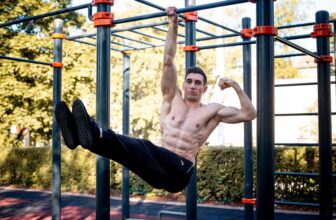
4. Pull-Ups
Pull-ups are a fantastic upper body exercise that targets the back, biceps, and shoulders. They can be performed with various grips to emphasize different muscle groups.
Tips for Pull-Ups:
- Start from a dead hang.
- Engage your shoulders before pulling.
- Don’t swing your body; use controlled movements.
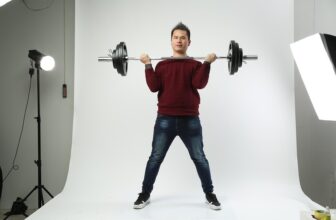
5. Overhead Press
The overhead press is an excellent way to build shoulder strength while also engaging the core and legs for stability.
Tips for Overhead Pressing:
- Keep your feet shoulder-width apart.
- Engage your core throughout the lift.
- Avoid overarching your back.
6. Rows
Rows are essential for developing the upper back and improving posture. They can be performed with a barbell, dumbbells, or cables.
Tips for Rowing:
- Keep your back flat and core engaged.
- Pull the weight towards your lower rib cage.
- Avoid round shoulders.
Integrating Compound Movements into Your Routine
1. Frequency
Aim to include compound movements in your routine 2-4 times a week. Depending on your training split, you can focus on different compound lifts on different days.
2. Progressive Overload
To continue making gains, you should progressively overload your muscles. This can be done by increasing the weight, reps, or sets gradually over time.
3. Technique Focus
Prioritize form over weight, especially when first starting with compound movements. Poor form can lead to injury and setbacks.
4. Balanced Routine
While compound movements are essential, it’s also crucial to balance your routine with isolation exercises for comprehensive muscle development. Isolation exercises can target specific muscles that may need extra attention.
5. Rest and Recovery
Ensure adequate rest between workouts targeting the same muscle groups. Recovery is as important as the workout itself for muscle growth and overall performance.
FAQs
1. What’s the difference between compound and isolation exercises?
Compound exercises work multiple muscle groups and joints at once, while isolation exercises target a single muscle group.
2. Can beginners do compound movements?
Yes, beginners can perform compound movements, but it’s important to start with lighter weights and focus on mastering proper form.
3. How many sets and reps should I do?
A common approach is 3-5 sets of 6-12 reps for compound movements, depending on your goals (strength vs. hypertrophy).
4. What if I don’t have access to a gym?
Many compound movements can be performed with body weight (like push-ups, squats, and pull-ups) or minimal equipment (like kettlebells or resistance bands).
5. How do I avoid injury?
To minimize the risk of injury, prioritize proper form, warm-up thoroughly, and avoid lifting weights that are too heavy for your current fitness level.
6. Should I do cardio with compound movements?
Yes, incorporating cardiovascular exercises can enhance endurance and overall fitness, but ensure it doesn’t detract from your recovery between strength training sessions.
Conclusion
Compound movements are an essential component of any effective strength training program. By engaging multiple muscle groups and promoting functional strength, these exercises can lead to maximum gains in muscle and overall fitness. Whether you’re a beginner or a seasoned athlete, incorporating these movements into your routine can help you achieve your desired results. Prioritize form, progressively challenge yourself, and embrace the benefits of compound training for a stronger, fitter you.