When it comes to building muscle, both bodyweight exercises and traditional weightlifting are popular choices among fitness enthusiasts. Each method has its unique benefits and drawbacks, leading many to wonder which approach is superior for muscle growth. This article explores the nuances of bodyweight exercises and weightlifting, helping you make an informed decision on which is better for your fitness journey.
Understanding Bodyweight Exercises
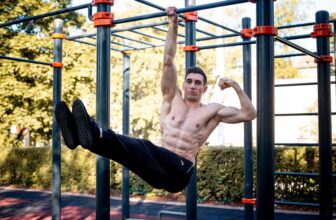
Bodyweight exercises utilize your own weight as resistance. These exercises include push-ups, pull-ups, squats, and planks, among others. They are versatile, can be done anywhere, and often require little to no equipment.
Pros of Bodyweight Exercises
-
Accessibility: Bodyweight workouts can be done anywhere—at home, in a park, or while traveling—making them incredibly convenient.
-
Functional Strength: Many bodyweight movements engage multiple muscle groups and mimic natural movements, enhancing functional strength. This can improve athletic performance in everyday tasks and sports.
-
Lower Risk of Injury: For beginners, bodyweight exercises often present a lower risk of injury compared to weighted movements, as they typically involve more natural ranges of motion.
-
Increased Body Control: Bodyweight training develops body awareness and control, which can translate to improved performance in other fitness activities.
Cons of Bodyweight Exercises
-
Plateauing: As you build strength, bodyweight exercises can become less challenging. While progressive variations exist, they sometimes offer limited options compared to weights.
-
Limited Muscle Isolation: Bodyweight exercises generally focus on compound movements, which may not provide the targeted muscle isolation that some lifters seek for bodybuilding.
-
Difficulty in Measuring Progress: While you can track improvements in reps and sets, quantifying muscle gain can be more challenging compared to tracking weight increases.
Understanding Weightlifting
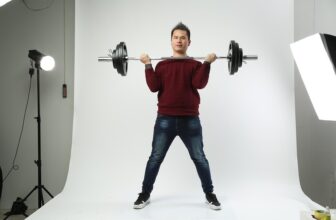
Weightlifting involves using external weights, such as dumbbells, barbells, and machines, to provide resistance. This method includes various training styles, such as powerlifting, bodybuilding, and Olympic weightlifting.
Pros of Weightlifting
-
Progressive Overload: With weights, you can easily increase the resistance as you grow stronger. This principle of progressive overload is crucial for continuous muscle gains.
-
Targeting Specific Muscle Groups: Weightlifting allows for isolation exercises (like bicep curls and tricep extensions) that can hone in on specific muscles more effectively.
-
Variety of Equipment: The vast array of equipment available can enhance your workout, allowing for varied workouts and muscle stimulation.
-
Structured Training Plans: Weightlifting often comes with established methodologies and programs to follow, providing a roadmap for tracking progress and achieving specific goals.
Cons of Weightlifting
-
Access to Equipment: Traditional weightlifting typically requires access to a gym or investment in home equipment, which can be a barrier for some individuals.
-
Higher Risk of Injury: Improper lifting techniques or lifting too heavy can lead to injuries. It’s crucial for beginners to learn proper form and start with manageable weights.
-
Time-Consuming: Weightlifting sessions can take longer, especially if you’re following a rigorous routine with multiple sets and rest periods.
Combining Both Methods
Rather than choosing one method over the other, many fitness experts recommend a combination of both bodyweight and weightlifting exercises for optimal muscle growth. Doing so can lead to comprehensive fitness benefits:
-
Diversity: Incorporating both methods keeps workouts varied and interesting, preventing workout boredom and fostering long-term adherence.
-
Balanced Development: Using both bodyweight and weights can promote balanced muscle development, as different exercises emphasize various muscle groups and engagement.
-
Recovery and Adaptation: Bodyweight workouts can serve as active recovery sessions, allowing your muscles to recover while still providing a stimulus.
Which is Better for Muscle Building?
The answer to this question largely depends on individual preferences, goals, and circumstances.
-
For Beginners: If you’re just starting your fitness journey, bodyweight exercises may be a great way to build foundational strength without overwhelming yourself with complex equipment.
-
For Bodybuilding Goals: Weightlifting is likely more effective for those aiming for serious hypertrophy and muscle isolation. The ability to progressively overload with weights can lead to substantial muscle gains.
-
For Functional Fitness Enthusiasts: Those focusing on overall fitness, mobility, and functional strength may find bodyweight workouts more beneficial.
Ultimately, the most effective route may be integrating both methods into your training regimen to capitalize on the benefits each offers.
FAQs
1. Can you build muscle with bodyweight exercises alone?
Yes, you can build muscle with bodyweight exercises, especially if you focus on progressive variations (like increasing reps, changing angles, or incorporating advanced moves) to challenge your muscles.
2. How often should I incorporate bodyweight exercises into my weightlifting routine?
It depends on your fitness goals. For balanced development, consider dedicating one or two days a week solely to bodyweight training, while the rest focus on weightlifting.
3. Is one method better for fat loss than the other?
Both methods can be effective for fat loss when combined with a caloric deficit and consistent cardio. Bodyweight training often elevates heart rate, promoting calorie burn, while weightlifting helps build muscle, which can increase resting metabolic rate.
4. Can I do bodyweight exercises if I’m already lifting weights?
Absolutely! Bodyweight exercises can complement your weightlifting routine and provide a break from heavier lifting while still engaging your muscles.
5. What are some effective bodyweight exercises for muscle building?
Some effective bodyweight exercises include push-ups, pull-ups, dips, squats, lunges, and planks. Variations like one-arm push-ups and pistol squats can be added for advanced strength challenges.
6. How long does it take to see results from bodyweight or weightlifting exercises?
Results can vary greatly depending on factors like diet, frequency, and individual body types. Generally, you may start seeing strength progress within 4-6 weeks, while muscle-building results may take several weeks to months.
Conclusion
Choosing between bodyweight exercises and weightlifting for muscle building involves considering individual goals, preferences, and lifestyle. Emphasizing one method over the other may lead to some specific advantages, but integrating both approaches typically yields the best results. No matter your path, consistency, dedication, and a balanced approach to fitness are crucial for achieving your muscle-building goals.