Strength training is crucial for overall fitness, enhancing muscular strength, improving endurance, and promoting joint health. Whether you’re a beginner or a seasoned lifter, creating a balanced strength training program is essential to prevent injuries and ensure optimal performance. One of the most significant aspects of this balance lies in the progressive overload of both the upper and lower body.
Understanding the Basics of Strength Training
Before diving into program design, it’s important to familiarize yourself with core concepts. Strength training involves exercises that improve your ability to push, pull, or lift a load. Utilizing various resistance bands, weights, or even your body weight can create the necessary stimulus for muscle growth.
Benefits of Strength Training
- Muscle Growth: Increases muscle size and strength.
- Bone Density: Enhances bone health and reduces the risk of osteoporosis.
- Metabolism Boost: Increases resting metabolic rate, aiding in weight management.
- Improved Functional Movement: Enhances the ability to perform daily activities.
- Mental Wellness: Reduces symptoms of anxiety and depression.
The Importance of a Balanced Program
A balanced strength training program develops all major muscle groups while promoting symmetry and stability. Neglecting to train either the upper or lower body can lead to muscular imbalances that increase the risk of injury and impede physical performance.
Upper Body Training
The upper body consists of the chest, shoulders, back, and arms. A well-rounded upper body workout should include:
- Push Movements: Exercises like bench presses, push-ups, and shoulder presses target the chest and shoulders.
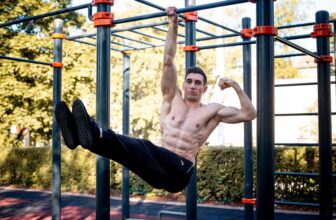
- Pull Movements: Row variations, pull-ups, and lat pull-downs will engage the back and biceps.
- Core Stability: Exercises such as planks and rotational movements strengthen the core, playing a crucial role during all upper body exercises.
Sample Upper Body Workout:
- Push-ups: 3 sets of 10-15 repetitions
- Dumbbell Bench Press: 4 sets of 6-10 repetitions
- Bent-over Rows: 3 sets of 8-12 repetitions
- Shoulder Press: 3 sets of 10-12 repetitions
- Plank: 3 sets of 30-60 seconds
Lower Body Training
The lower body comprises the quadriceps, hamstrings, glutes, and calves. A balanced lower body program should incorporate:
- Squatting Movements: Squats and leg presses develop the quads and glutes.
- Hinge Movements: Deadlifts and hip thrusts target the hamstrings and glutes.
- Stability Work: Single-leg exercises, like lunges and step-ups, promote balance and stability.
Sample Lower Body Workout:
- Squats: 4 sets of 8-12 repetitions
- Deadlifts: 4 sets of 6-10 repetitions
- Lunges: 3 sets of 10-12 repetitions per leg
- Calf Raises: 3 sets of 12-15 repetitions
- Glute Bridges: 3 sets of 10-15 repetitions
Structuring Your Program
When creating a balanced strength training program, consider the following structure:
- Frequency: Aim to train each muscle group at least twice a week. This could mean a split routine (upper/lower body) or a full-body approach.
- Volume: A good starting point is around 3 to 4 sets for major lifts (like squats, deadlifts, and bench presses) and 2 to 3 sets for accessory work.
- Intensity: Utilize a range of weights that allows you to perform your repetitions with good form. This usually means working in the 60-85% range of your one-rep max for most lifts.
- Progression: Gradually increase weights, reps, or sets to continue challenging your muscles and promoting growth.
Example of a Balanced Weekly Program
Day 1: Upper Body
- Push-ups: 4 sets of 10-15
- Pull-ups: 4 sets of 6-10
- Dumbbell Shoulder Press: 3 sets of 10-12
- Bent-over Dumbbell Rows: 3 sets of 8-10
Day 2: Lower Body
- Squats: 4 sets of 8-12
- Deadlifts: 4 sets of 6-10
- Walking Lunges: 3 sets of 10-12 per leg
- Calf Raises: 3 sets of 12-15
Day 3: Rest or Active Recovery
Day 4: Full Body
- Clean and Press: 3 sets of 8
- Deadlifts: 4 sets of 6-10
- Chest Press: 4 sets of 10-12
Day 5: Upper Body
- Bench Press: 4 sets of 8-10
- Dumbbell Flyes: 3 sets of 10-12
- Lat Pulldowns: 4 sets of 8-10
Day 6: Lower Body
- Smith Machine Squats: 4 sets of 8-12
- Romanian Deadlifts: 4 sets of 6-10
- Step-ups: 3 sets of 10 per leg
Day 7: Rest or Active Recovery
Final Tips for Success
- Warm-Up: Always include a proper warm-up to prepare your muscles and joints.
- Cool Down: Stretching post-workout helps with recovery and flexibility.
- Nutrition: Fuel your body with proper nutrients to support muscle repair and growth.
- Listen to Your Body: Rest when needed and adjust the program based on how you feel.
Frequently Asked Questions (FAQs)
1. How many days a week should I strength train?
- Ideally, aim for 3 to 5 days per week, depending on your experience level and recovery capacity.
2. Can I combine upper and lower body workouts?
- Absolutely! Full-body workouts are great for beginners or those with limited time.
3. How long should I rest between sets?
- Generally, resting 60 to 90 seconds between sets is ideal for hypertrophy, while power-focused sessions might need longer rest periods.
4. Is it necessary to lift heavy weights for muscle growth?
- No, muscle growth can occur with moderate weights as long as you’re progressively overloading and maintaining good form.
5. What if I have an injury?
- Always consult a medical professional or physical therapist before starting a new strength training program, especially if you have existing injuries.
By structuring your strength training program with a balanced approach between the upper and lower body, you can enhance your performance, prevent injuries, and achieve your fitness goals effectively. Maintain consistency and continue to challenge yourself for the best results!