When it comes to staying fit, cardio exercises are essential. They boost heart health, improve endurance, and assist in weight management. However, traditional high-impact workouts can stress joints, leading to discomfort or injuries, especially for individuals with existing joint issues, older adults, or those new to exercise. Fortunately, low-impact cardio exercises are excellent alternatives that provide similar cardiovascular benefits while being easier on the joints.
What is Low-Impact Cardio?
Low-impact cardio involves exercises that minimize stress on the joints while still elevating your heart rate and boosting cardiovascular health. These workouts typically involve movements that keep one foot on the ground at all times, reducing the risk of jarring created by high-impact activities like running or intense aerobics.
Benefits of Low-Impact Cardio
-
Joint-Friendly: As the name suggests, low-impact cardio exercises are gentler on your joints, making them ideal for those with arthritis, previous injuries, or anyone concerned about joint health.
-
Versatile and Accessible: Low-impact options come in various forms, making it easy to find something enjoyable, whether at home, in a gym, or outdoors.
-
Improved Heart Health: Like any cardio exercise, low-impact activities strengthen the heart and lungs, improving circulation and overall cardiovascular fitness.
-
Burns Calories: Although low-impact workouts might not seem as intense, they can still effectively burn calories and support weight loss or maintenance.
-
Increased Flexibility and Balance: Many low-impact exercises also enhance flexibility and balance, contributing to overall functional fitness and reducing the risk of falls.
Great Low-Impact Cardio Options
Here are some popular and effective low-impact cardio exercises that can be incorporated into your workout routine:
1. Walking
Walking is one of the simplest and most accessible forms of low-impact cardio. It can be done almost anywhere—inside or outside—and can easily be adjusted for intensity by increasing speed, adding inclines, or varying routes. Consider taking brisk walks in the morning or after meals.
2. Cycling
Cycling, whether on a stationary bike or outdoors, is another excellent low-impact option. It allows you to adjust the resistance according to your fitness level. Indoor cycling classes can provide a fun, energetic environment, while outdoor cycling lets you explore nature.
3. Swimming
Swimming delivers a full-body workout with minimal joint stress, making it ideal for all fitness levels. The buoyancy of water supports the body, reducing impact and strain. Try swimming laps or joining an aqua aerobics class for additional fun.
4. Elliptical Trainer
Using an elliptical machine offers a low-impact alternative to running or jogging, providing a similar cardio workout without the harsh impact. Many models also engage the upper body, enhancing your workout’s effectiveness.
5. Dance Workouts
Dance-based classes like Zumba or low-impact dance workouts combine rhythm, music, and movement for an enjoyable and effective cardio session. These classes often focus on coordination and movement patterns that are gentle on the joints.
6. Rowing
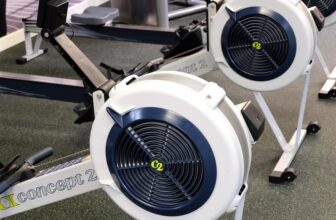
Rowing, either on a machine or in a boat, offers a fantastic full-body workout. It engages multiple muscle groups and is excellent for cardiovascular fitness while being low-impact. Rowing can vary in intensity, allowing you to tailor your workout to your needs.
7. Pilates and Yoga
While primarily focused on strength and flexibility, many Pilates and yoga routines incorporate cardio elements, especially when performed at a faster pace. These workouts enhance core strength, balance, and overall fitness while protecting the joints.
8. Water Aerobics
Similar to swimming, water aerobics is a low-impact workout that focuses on resistance training in water, which reduces stress on joints. It can involve various movements, from bodyweight exercises to using water dumbbells, making it effective and enjoyable.
Tips for Starting a Low-Impact Cardio Regimen
-
Listen to Your Body: Pay attention to any discomfort or pain. Adjust the intensity or modify exercises as needed.
-
Warm-Up and Cool Down: Always include a warm-up to prepare your muscles and a cool down to help with recovery.
-
Stay Hydrated: Hydration is crucial, even during low-impact workouts. Drink water before, during, and after exercise.
-
Mix It Up: To prevent boredom and work different muscles, mix various low-impact activities throughout the week.
-
Set Realistic Goals: Whether it’s frequency, duration, or intensity, establish achievable goals to maintain motivation and track progress.
Conclusion
Low-impact cardio is an effective way to improve heart health, enhance endurance, and maintain a healthy weight without straining the joints. With so many options available, finding a workout that you enjoy and that fits your lifestyle is easier than ever. Whether walking, cycling, or dancing, incorporating low-impact exercises into your routine can provide numerous health benefits and improve your overall well-being.
FAQs
-
Is low-impact cardio suitable for beginners?
Yes! Low-impact cardio is ideal for beginners as it minimizes the risk of injury while providing a solid foundation for cardiovascular fitness. -
How often should I do low-impact cardio?
Aim for at least 150 minutes of moderate-intensity cardio each week, broken into sessions that fit your schedule. -
Can low-impact cardio help with weight loss?
Absolutely! While calorie burn might be lower than high-impact workouts, consistency with low-impact cardio can still effectively support weight loss. -
Do I need special equipment for low-impact cardio?
Not necessarily. Many low-impact exercises require little to no equipment. Walking, bodyweight workouts, and dance can be performed anywhere. For activities like cycling or elliptical training, specific equipment may be needed. -
Can I combine low-impact cardio with strength training?
Yes! Combining low-impact cardio with strength training can provide a balanced fitness regimen that enhances both cardiovascular fitness and muscle strength. -
What should I do if I experience joint pain during exercise?
If you experience pain during exercise, stop and rest. Consult a healthcare professional or certified trainer for advice on modifications or alternative activities.