Yoga is often viewed as an advanced practice that requires years of training to master. However, at its core, yoga is about connection—connecting with your breath, your body, and your mind. For newbies, starting yoga can feel overwhelming, but it doesn’t have to be. Incorporating simple breathing and stretching techniques can pave the way to a fulfilling yoga journey. This article will take you through fundamental practices that will help you ease into yoga while answering frequently asked questions to enhance your experience.
Understanding the Basics of Yoga
At its essence, yoga is about balance. It combines physical postures (asanas), breath control (pranayama), and meditation for holistic wellness. Each component of yoga plays a vital role in promoting mental clarity, physical strength, and spiritual peace.
Benefits of Yoga
- Improved Flexibility: Regular practice increases flexibility, which can help prevent injuries.
- Strengthening Muscles: Many yoga poses engage multiple muscle groups.
- Stress Reduction: The connection between breath and body encourages relaxation.
- Increased Focus: Mindfulness in yoga improves concentration and mental clarity.
Simple Yoga Techniques for Newbies
1. Breathing Techniques (Pranayama)
Breath is the foundation of yoga. Controlled breathing helps you center yourself and enhances your ability to practice poses effectively.
Technique: Diaphragmatic Breathing
- Sit or lie down comfortably, ensuring your back is straight.
- Place one hand on your chest and the other on your abdomen.
- Inhale deeply through your nose, allowing your abdomen to rise while keeping your chest still.
- Exhale slowly through your mouth. Feel your abdomen fall.
- Repeat for about 5 minutes, focusing solely on the rise and fall of your breath.
2. Gentle Stretches
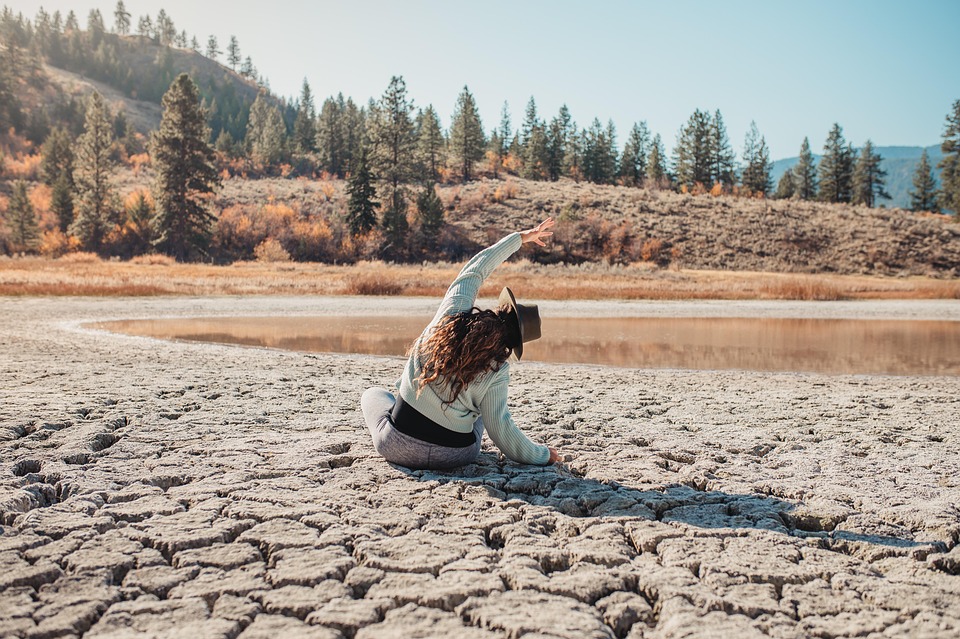
Before diving into full yoga poses, it’s beneficial to incorporate basic stretches that promote mobility and prepare the body.
Technique: Neck Roll
- Sit or stand comfortably, keeping your shoulders relaxed.
- Gently drop your chin to your chest.
- Circle your head to the right (ear to shoulder, then back, then to the left).
- Repeat 5 times on each side.
Technique: Cat-Cow Stretch
- Start on all fours, with your wrists under your shoulders and knees under your hips.
- Inhale as you arch your back (Cow), lifting your head and tailbone.
- Exhale as you round your back (Cat), tucking your chin to your chest.
- Repeat 5-10 times to release tension in the spine.
3. Basic Yoga Poses
Once you’ve warmed up, you can transition into basic poses. These foundations are essential for building a solid practice.
Technique: Mountain Pose (Tadasana)
- Stand tall with your feet together or hip-width apart.
- Engage your thighs, lift your chest, and relax your shoulders.
- Reach your arms overhead, palms facing each other.
- Hold for 5-10 breaths, focusing on your breath and body alignment.
Technique: Child’s Pose (Balasana)
- Kneel on the floor, sitting back on your heels.
- Reach your arms forward, lowering your chest to your thighs.
- Breathe deeply and feel the stretch in your back.
- Hold for 30 seconds to 1 minute.
Technique: Downward-Facing Dog (Adho Mukha Svanasana)
- Begin on all fours, tuck your toes under.
- Lift your hips up and back, straightening your legs.
- Press your hands into the mat and hold for 5 breaths.
- Focus on lengthening your spine and relaxing your head.
4. Incorporating Meditation
Meditation can be a powerful component of yoga, fostering both mental and emotional well-being.
Technique: Simple Meditation
- Sit comfortably with your back straight.
- Close your eyes and focus on your breath.
- If your mind wanders, gently bring your attention back to your breathing.
- Practice for 5-10 minutes daily.
Creating a Yoga Routine
Begin your yoga journey by creating a structured routine that incorporates the above techniques. Aim for 15-30 minutes of practice several times a week. Listen to your body and adjust the poses based on your comfort level. As you become more confident, gradually explore other poses or even consider joining a class for guided instruction.
Frequently Asked Questions (FAQs)
1. Do I need special equipment to start yoga?
No special equipment is required to start yoga. Comfortable clothing and a yoga mat are helpful but not necessary. You can easily practice on a carpet or towel.
2. How often should I practice yoga?
Ideally, practicing yoga 2-3 times per week will help you build flexibility and strength. However, even short sessions can be beneficial.
3. Can I practice yoga if I’m not flexible?
Absolutely! Yoga is for everyone, regardless of flexibility. As you practice regularly, you will see improvements over time.
4. Is yoga a workout?
While yoga can provide physical benefits, it is just as much about mental and spiritual wellness. It’s not always about intense workouts but about connecting with yourself.
5. What if I have medical concerns?
If you have any medical conditions or injuries, it’s advisable to consult with a healthcare provider before starting yoga. You may also benefit from a class tailored to your needs.
6. Are there any contraindications for beginners?
Certain poses may be challenging for beginners. Always listen to your body and avoid pushing yourself into discomfort. If you are unsure, seek guidance from a certified yoga instructor.
Conclusion
Yoga is a personal journey, and starting doesn’t have to be intimidating. By focusing on your breath and simple stretching techniques, you can cultivate a fulfilling practice that enhances your physical and mental well-being. Whether you dedicate a few minutes a day or longer sessions, the benefits of yoga will resonate in your life, making this ancient practice a valuable asset to your wellness routine. Remember to be patient with yourself and enjoy the process!