Yoga is more than just a physical exercise; it’s a holistic practice that integrates the mind, body, and spirit. It provides a pathway to mindfulness and well-being through specific postures (asanas), breath control (pranayama), and meditation. For beginners, embarking on a yoga journey can feel daunting, but understanding the basics can help ease the transition into this transformative practice. In this article, we’ll explore what yoga is, its benefits, and how to get started, along with a FAQs section to address common queries.
What is Yoga?
Originating in ancient India over 5,000 years ago, yoga is a spiritual, mental, and physical discipline aimed at achieving a balance between mind and body. The word “yoga” is derived from the Sanskrit word “yuj,” which means to unite or join. Traditionally, yoga encompasses various practices that involve poses, breathwork, and meditation, fostering a deeper connection within ourselves.
The Elements of Yoga
-
Asanas (Postures):
- These are the physical poses designed to enhance strength, flexibility, and balance. Common beginner poses include Mountain Pose (Tadasana), Downward-Facing Dog (Adho Mukha Svanasana), and Child’s Pose (Balasana).
-
Pranayama (Breath Control):
- Breath is considered the bridge between the body and mind in yoga. Pranayama techniques help regulate the breath, encouraging calmness and increased energy. Techniques such as Ujjayi breath and Nadi Shodhana (Alternate Nostril Breathing) are beneficial for beginners.
-
Dhyana (Meditation):
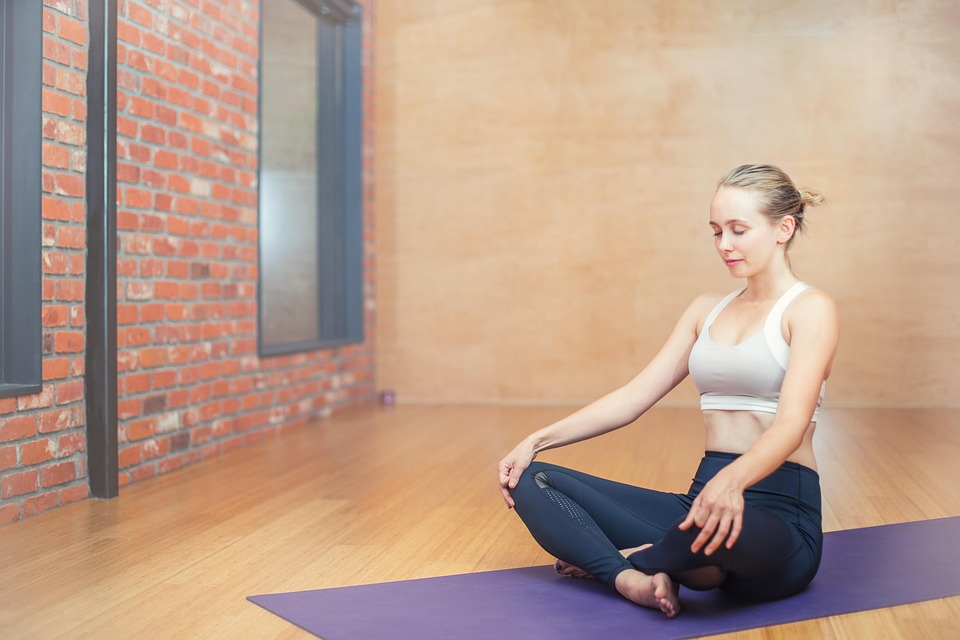
- The practice of meditation is integral to yoga, promoting mindfulness and self-awareness. Meditation allows for clarity of thought and a deeper understanding of oneself.
-
Yamas and Niyamas (Ethics):
- These are moral principles and personal observances that guide practitioners in their behavior towards themselves and others. They encourage a lifestyle rooted in compassion, truthfulness, and discipline.
The Benefits of Yoga
Practicing yoga regularly provides a myriad of physical, mental, and emotional benefits:
-
Physical Benefits:
- Flexibility: Regular practice helps improve flexibility and range of motion in the joints.
- Strength: Many yoga poses build muscular strength, particularly in the core, arms, and legs.
- Balance: Yoga enhances balance, which is particularly beneficial as we age.
- Posture: It encourages good alignment and contributes to overall body awareness.
-
Mental Benefits:
- Stress Reduction: Yoga promotes relaxation and reduces stress through conscious breathing and mindfulness.
- Focus and Concentration: The meditative aspects of yoga enhance cognitive function and sharpen concentration.
- Emotional Regulation: It fosters self-awareness, helping individuals to manage their emotions more effectively.
-
Spiritual Benefits:
- Connection: Yoga encourages a deeper connection with oneself and fosters a sense of peace and contentment.
- Mindfulness: It cultivates present-moment awareness, helping practitioners to experience life more fully.
Getting Started with Yoga
Finding the Right Class
-
Research Local Studios and Classes:
- Look for beginner classes in local yoga studios or gyms. Many places offer trial classes or special rates for newcomers.
-
Online Resources:
- In today’s digital age, online platforms provide a plethora of yoga classes suitable for all levels. Websites and apps like Yoga with Adriene, Down Dog, or even YouTube offer great options for beginners.
Creating a Suitable Environment
-
Choose a Comfortable Space:
- If practicing at home, find a quiet, inspiring space where you can spread out a yoga mat and focus without interruptions.
-
Gather Equipment:
- A yoga mat is essential for stability and comfort. Beginners may also consider props like blocks, straps, or cushions to assist with poses.
Developing a Routine
-
Start Slow:
- Begin with a short practice, aiming for 15-30 minutes a few times a week. Gradually increase the duration and frequency as you become more comfortable.
-
Incorporate Breathing Exercises:
- Spend a few minutes focusing on your breath before and after your physical practice. This cultivates a sense of mindfulness and prepares the mind for meditation.
-
Listen to Your Body:
- Yoga is not about achieving the perfect pose; it’s about connecting with your body. Modify poses as needed and never push yourself into discomfort.
Exploring Different Yoga Styles
-
Hatha Yoga:
- A gentle introduction to yoga, focusing on basic poses and breath work. It’s ideal for beginners.
-
Vinyasa Flow:
- A more dynamic style linking movement and breath, offering a slightly higher intensity.
-
Restorative Yoga:
- Focuses on relaxation and healing, using props to support the body in restful positions.
FAQs
1. Do I need to be flexible to start yoga?
No! Yoga is about progress, not perfection. Many beginners start with limited flexibility, and the practice itself enhances it over time.
2. How often should I practice yoga?
Practicing 2-3 times a week is a great starting point for beginners. As you grow more comfortable, you can increase the frequency.
3. Is yoga a form of exercise?
Yes, yoga is a form of exercise that combines physical postures, breathing techniques, and meditation to promote overall well-being.
4. What should I wear to yoga classes?
Wear comfortable, breathable clothing that allows for ease of movement. Yoga mats can be slippery, so avoid overly loose or bulky clothing.
5. Can yoga help with stress?
Absolutely. Yoga encourages relaxation through breath control and mindfulness, making it an effective tool for reducing stress and anxiety levels.
6. Do I need special equipment for yoga?
A yoga mat is the primary piece of equipment you’ll need. As you progress, you may find blocks, straps, or cushions helpful, but they are not mandatory for beginners.
7. What if I have health concerns or injuries?
Always consult with a healthcare provider before starting any new exercise program, including yoga. Many studios offer classes tailored for individuals with specific needs.
Conclusion
Embarking on a yoga journey is an invitation to explore the interconnectedness of mind, body, and spirit. As you begin this transformative practice, remember to be patient with yourself and enjoy the process. The beauty of yoga lies in its ability to cultivate mindfulness through movement, creating a space where you can connect deeply with yourself. With each breath and each pose, you’ll discover not only physical strength and flexibility but also emotional resilience and mental clarity. So roll out your mat, take a deep breath, and step into the world of yoga – it’s a journey worth taking!