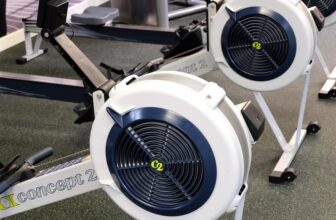
Cardiovascular exercise, commonly known as cardio, is a cornerstone of fitness that plays a pivotal role in enhancing overall health, boosting endurance, and facilitating weight management. In this comprehensive guide, we’ll delve into the most effective cardio workouts, their numerous benefits, and how to structure your routine for optimal results.
What is Cardio?
Cardio workouts are exercises designed to increase your heart rate, promote blood circulation, and improve the overall efficiency of your cardiovascular system. These activities range from moderate to high intensity and can include running, cycling, swimming, dancing, and many other forms of exercise. The primary goal of cardio is not only to burn calories but also to strengthen the heart and lungs, ensuring that they work more efficiently.
Benefits of Cardio Workouts
1. Boosts Heart Health
Regular cardio workouts improve heart health by lowering blood pressure, increasing oxygen intake, and improving circulation. This can lead to a lower risk of heart disease, stroke, and other cardiovascular conditions.
2. Enhances Endurance
Over time, engaging in regular cardio sessions can drastically improve your stamina. This means that not only will you perform better during workouts, but everyday activities—like climbing stairs or playing with your children—will become easier.
3. Supports Weight Management
If your goal is weight loss or maintenance, cardio is crucial. It burns calories effectively, and when combined with strength training and a balanced diet, it plays a significant role in fat loss.
4. Boosts Mood and Mental Health
Exercise stimulates the production of endorphins, which are chemicals in the brain that act as natural painkillers and enhancers of mood. Many people experience a sense of euphoria, also known as “runner’s high,” after a good cardio session.
5. Improves Lung Capacity
Regular cardio exercises can enhance lung capacity and efficiency, allowing you to take in more air with each breath and improving your overall respiratory health.
6. Enhances Sleep Quality
Engaging in cardio can improve sleep quality, helping those who struggle with insomnia or sleep-related issues to fall and stay asleep more easily.
Types of Cardio Workouts
1. Steady-State Cardio
This involves maintaining a consistent pace throughout the workout. Examples include jogging, cycling, or swimming at a moderate intensity. Steady-state cardio is effective for improving endurance and burning fat.
2. High-Intensity Interval Training (HIIT)
HIIT alternates short bursts of intense activity with periods of lower-intensity recovery. This method is efficient, often allowing for maximum benefit in a short period. For instance, sprinting for 30 seconds followed by a minute of walking can be a powerful workout.
3. Circuit Training
Combining various forms of cardio with strength training, circuit training is excellent for those looking to engage multiple muscle groups while elevating heart rate. An example might include a series of exercises, such as jumping jacks, push-ups, and burpees, performed with minimal rest in between.
4. Sport-Specific Cardio
Engaging in sports like soccer, basketball, or tennis can provide a fun and effective cardio workout. These activities involve constant movement and varying intensity, giving a comprehensive cardiovascular workout.
5. Dance Cardio
Dance-based workouts like Zumba or hip-hop classes are enjoyable and a great way to improve cardiovascular fitness while having fun.
How to Structure Your Cardio Routine
1. Determine Your Goals
Whether you want to lose weight, increase endurance, or improve overall health, identifying your goals will help in choosing the right type of workout and intensity.
2. Frequency
Aim for at least 150 minutes of moderate-intensity or 75 minutes of vigorous-intensity cardio weekly. This can be broken down into manageable sessions throughout the week.
3. Intensity
Consider incorporating a mix of steady-state and HIIT sessions to challenge your body in different ways. This prevents plateaus and promotes continuous improvement.
4. Duration
Sessions can vary from 20 minutes to an hour depending on your fitness level and goals. Beginners might start with shorter sessions and gradually increase duration as fitness improves.
5. Listen to Your Body
It’s essential to pay attention to your body’s signals. If you’re feeling fatigued or in pain, take rest days as needed to avoid burnout or injury.
Tips for Maximizing Your Cardio Workouts
- Mix it Up: Change your routines to keep them interesting and engaging.
- Use Proper Form: This can prevent injuries and ensure you’re maximizing the benefits of your workouts.
- Stay Hydrated: Proper hydration is key, particularly during intense workouts.
- Pair with Strength Training: Combining cardio with strength workouts enhances overall fitness and can lead to better results.
- Track Progress: Use apps or journals to monitor your workouts, helping you stay motivated.
Common Mistakes to Avoid
- Skipping Warm-Up and Cool Down: Always prepare your body before workouts and allow it to recover afterward.
- Neglecting Recovery: Rest days are crucial for muscle recovery and growth.
- Focusing Solely on Cardio: Strength training is just as important for a balanced fitness routine.
- Setting Unrealistic Goals: Set achievable milestones to stay motivated rather than overwhelmed.
FAQs
1. How often should I do cardio?
Aim for at least 150 minutes of moderate cardio or 75 minutes of vigorous cardio weekly. You can break this into shorter sessions for convenience.
2. Is it better to do cardio in the morning or evening?
There’s no definitive answer; it depends on your personal schedule and when you feel most energetic. Some prefer morning workouts for an endorphin boost, while others may find evening sessions better for performance.
3. Can I lose weight with just cardio?
While cardio is effective for burning calories, combining it with strength training and a balanced diet yields the best results for weight loss and overall fitness.
4. How do I know if I’m exercising at the right intensity?
A good indicator is whether you can hold a conversation. If you can talk but not sing, you’re likely in the moderate-intensity zone. If you can barely talk, you’re likely in the vigorous zone.
5. What should I eat before a cardio workout?
A light meal or snack containing carbohydrates and protein 30 minutes to an hour before your workout can provide the necessary energy.
In conclusion, cardio workouts are vital for enhancing endurance, boosting heart health, and improving overall well-being. By incorporating different types of cardio, structuring your routines effectively, and avoiding common pitfalls, you can enjoy the multitude of benefits that come with staying active. Whether you’re a beginner or a seasoned athlete, there’s always room for growth and improvement in your cardio regimen. So lace up your shoes and get moving!