In today’s fast-paced world, maintaining a healthy lifestyle can often feel overwhelming. However, meal prepping has emerged as a powerful solution for many who aim to eat healthy, save time, and reduce food waste. This ultimate meal prep guide will provide you with all the information you need to get started, including tips, essential tools, step-by-step processes, and frequently asked questions.
What is Meal Prep?
Meal prep refers to the process of preparing meals in advance, typically for the week ahead. This can involve cooking and portioning meals, prepping ingredients, or even planning meals that need minimal prep time.
Benefits of Meal Prepping
-
Saves Time: By prepping meals in advance, you’ll save time during the week. You won’t have to worry about cooking every day, which frees up time for other activities.
-
Promotes Healthy Eating: When healthy meals are readily available, you’re less likely to opt for unhealthy fast food or snacks. This is especially crucial for busy professionals or families with varied schedules.
-
Reduces Food Waste: Portioning your meals helps to minimize food waste since you’ll only prepare what you can eat. This not only benefits the environment but also saves money.
-
Budget-Friendly: Meal prepping can reduce grocery bills by allowing you to buy in bulk and make use of sales, resulting in fewer impulse purchases.
-
Improves Portion Control: Planning and preparing meals in advance helps you manage portion sizes better, aiding weight management.
Getting Started with Meal Prep
Step 1: Plan Your Meals
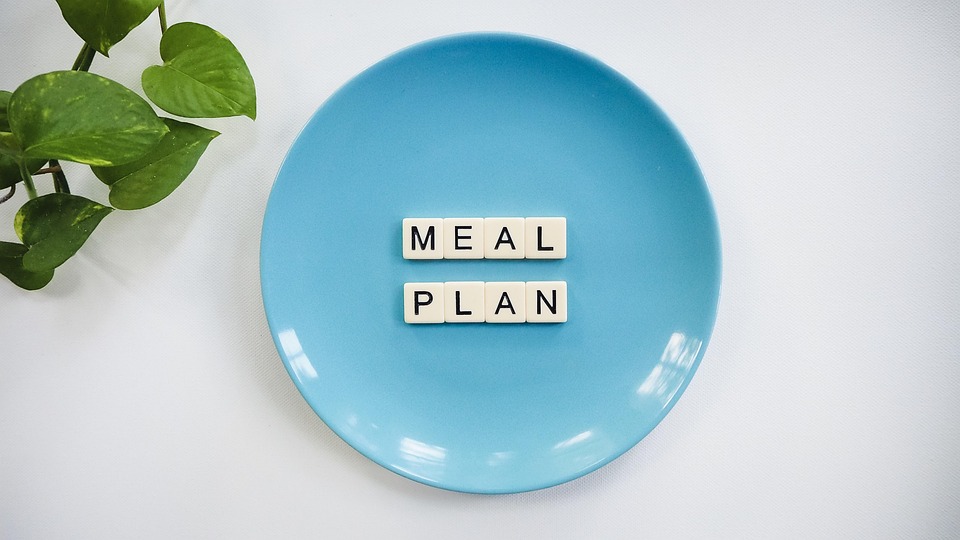
Before you begin prepping, it’s vital to create a meal plan. Here’s how:
-
Choose a day: Select a day of the week to plan your meals and shop for groceries. Many people choose Sundays for this.
-
Decide on your meals: Consider breakfast, lunch, dinner, and snacks. Aim for balanced meals with a good mix of protein, carbohydrates, and healthy fats.
-
Create a shopping list: Write down all the ingredients you need based on your meal plan. This will streamline grocery shopping and reduce impulse buys.
Step 2: Choose the Right Containers
Investing in quality food storage containers is key. Look for:
-
BPA-free plastic or glass containers: These are safer options for food storage.
-
Varied sizes: Having a combination of small, medium, and large containers allows for better portion control.
-
Microwave and dishwasher-safe options: This will make reheating and cleaning easier.
Step 3: Grocery Shopping
When you’re ready to shop, keep these tips in mind:
-
Stick to your list: This ensures that you’re buying only what you need.
-
Shop the perimeter: Fresh produce, proteins, and dairy items are usually found around the store’s outer edges. Try to limit processed foods found in the aisles.
-
Look for sales: Take advantage of discounts on items you already plan to purchase.
Step 4: Cooking and Prepping
Once you have your groceries, it’s time to cook and prep your meals. Follow these steps:
-
Batch cooking: Prepare large portions of proteins (like chicken, turkey, or beans), grains (like quinoa or rice), and vegetables. You can roast, steam, or stir-fry these items.
-
Use versatile recipes: Make meals that can be easily mixed and matched throughout the week. For example, grilled chicken can be used in salads, wraps, or grain bowls.
-
Season wisely: Use herbs, spices, and marinades to enhance flavors without adding excess calories.
-
Cool before storing: Let your food cool to room temperature before sealing it in containers to prevent condensation and spoilage.
Step 5: Storing Your Meals
Proper storage will keep your meals fresh throughout the week:
-
Refrigeration: Most cooked meals can last up to four days in the fridge. Use clear containers to easily see what you have.
-
Freezing: If you’re prepping for more than a few days, consider freezing portions. Meals like soups, stews, and casseroles freeze well.
Step 6: Reheating and Enjoying
When it’s time to eat, ensure the meals are reheated thoroughly. Consider these tips:
-
Microwave with a cover: This prevents splattering and helps the food heat evenly.
-
Add fresh herbs: When serving, toss in some fresh greens or herbs to enhance the flavor.
-
Mix it up: Rotate your meals and snacks throughout the week to prevent monotony.
Tips for Successful Meal Prep
-
Start small: If you’re new to meal prepping, start with just a few meals for the week instead of a full plan.
-
Keep it simple: Choose recipes with fewer ingredients and steps to simplify the cooking process.
-
Track your meals: Consider using a meal prep app to organize your meals and track what you eat.
-
Experiment and Adjust: As you gain experience, feel free to try new recipes, spices, and preparation methods. Adjust your meal plan based on what works for you.
Conclusion
Meal prepping can be a game-changer in achieving a healthier lifestyle. By planning ahead, you’ll save time, reduce waste, and cultivate the habit of eating nutritious meals. With practice, you’ll find it easier and more enjoyable to maintain your meal prepping routine.
FAQs
1. How long do meal preps last in the fridge?
Most cooked meals can last up to four days in the refrigerator. If you want to keep meals longer, consider freezing them.
2. Can I meal prep for weight loss?
Absolutely! Meal prepping allows you to control your portions and choose healthier ingredients, which can support weight loss efforts.
3. What types of meals are best for meal prep?
Meals that store well and reheat nicely, such as casseroles, stir-fries, and grain bowls, are ideal for meal prepping. Soups and stews also freeze well.
4. How do I make meal prep less boring?
To prevent meal prep from becoming repetitive, experiment with different spices, sauces, and cooking methods. Incorporate various colorful vegetables and proteins to keep things interesting.
5. Can I meal prep for a whole month?
Yes, many choose to prep meals for a month. However, it’s important to store meals properly, particularly in the freezer, and rotate stocks to ensure freshness.
6. Do I need a lot of time to meal prep?
Meal prepping can take time, but with practice, it becomes more efficient. Consider starting with just one or two meals per week and gradually build up from there.
By incorporating these strategies into your lifestyle, meal prepping can become a sustainable practice that supports your health and wellness goals. Happy prepping!