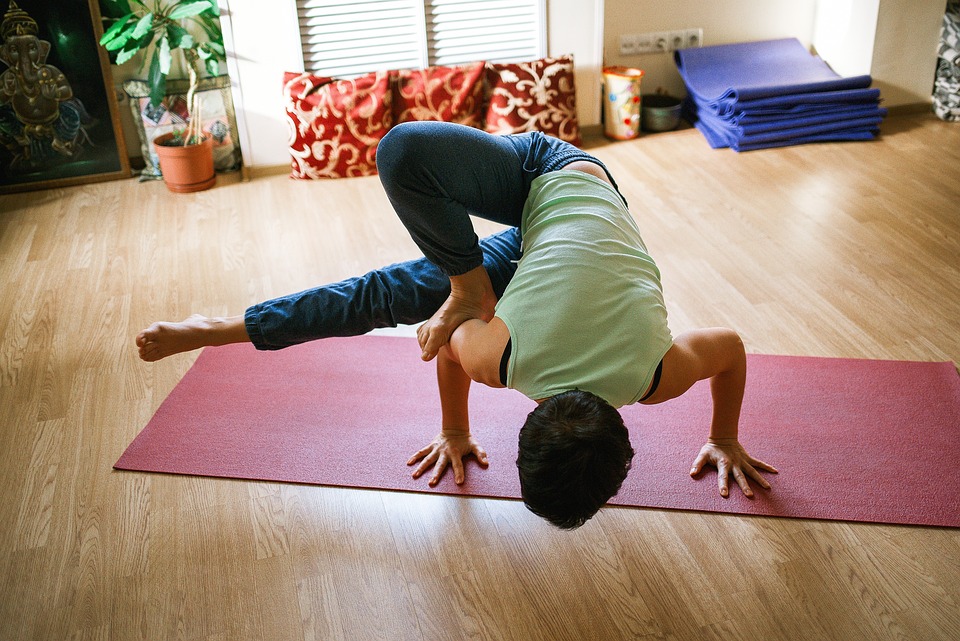
Yoga is more than just a physical practice; it’s a holistic approach to well-being that encompasses the mind, body, and spirit. As a beginner, diving into the world of yoga can feel overwhelming due to its vast array of styles, philosophies, and techniques. This guide aims to demystify yoga, helping you find your flow while enhancing your physical health and mental clarity.
Understanding Yoga
What is Yoga?
Yoga is an ancient practice that originated in India over 5,000 years ago. The term “yoga” comes from the Sanskrit word “yuj,” meaning “to yoke” or “to unite.” At its core, yoga seeks to unify the body, mind, and spirit. It combines physical postures (asanas), breath control (pranayama), and meditation to foster overall well-being.
The Benefits of Yoga
-
Physical Health: Regular practice improves flexibility, strength, balance, and posture. It’s also known to alleviate chronic pain and enhance lung capacity.
-
Mental Clarity: Yoga encourages mindfulness, helping to reduce stress and anxiety. This meditative aspect cultivates focus, clarity, and emotional resilience.
-
Spiritual Growth: For many, yoga is a pathway to spiritual awakening. It invites introspection and self-discovery.
-
Community: Joining a yoga class offers a sense of belonging. You meet others on similar journeys, fostering support and encouragement.
Choosing the Right Style of Yoga
Yoga comprises various styles, each with its unique focus and methodology. Here are a few popular types suitable for beginners:
-
Hatha Yoga: Often seen as a gentle introduction, Hatha focuses on basic postures and breathing techniques. It’s ideal for beginners looking to learn at a relaxed pace.
-
Vinyasa Yoga: A more dynamic style, Vinyasa involves flowing through poses in rhythm with your breath. This style is excellent for those who enjoy movement and want a workout.
-
Yin Yoga: This style emphasizes passive stretching, holding poses for extended periods. It’s perfect for improving flexibility and calming the mind.
-
Restorative Yoga: Focused on relaxation, Restorative Yoga uses props to support the body in gentle poses. It’s excellent for relieving stress and promoting recovery.
-
Ashtanga Yoga: A rigorous style characterized by a set sequence of postures. Though more challenging, it’s great for building strength and discipline.
Getting Started: Your First Yoga Class
Preparing for Your First Class
-
Choose the Right Clothing: Wear comfortable, breathable clothing that allows for movement. Avoid overly loose garments that might slip during poses.
-
Select a Studio or Class: Research local studios or online classes. Reading reviews and checking the credentials of instructors can help you find the right fit.
-
Bring Necessary Equipment: While many studios provide mats, using your own can enhance comfort. Additionally, props like blocks and straps can aid in practice.
-
Arrive Early: Getting there early allows you to familiarize yourself with the space and ask any questions you may have.
What to Expect
Your first class will likely open with a brief introduction. Instructors often start with grounding exercises, moving into basic postures. Don’t hesitate to use modifications; yoga is about personal practice, not competition. Listen to your body and focus on your breath.
Developing a Home Practice
Embracing yoga doesn’t mean you have to attend classes every day. Here are tips for establishing a home practice:
-
Set a Regular Schedule: Consistency helps in developing a routine. Even 10-15 minutes daily can significantly impact your practice.
-
Create a Dedicated Space: Designate an area in your home for yoga, making it inviting and peaceful.
-
Use Online Resources: Many platforms offer free or paid videos for different skill levels. Popular apps like Yoga with Adriene and Down Dog can guide you through classes wherever you are.
-
Listen to Your Body: Pay attention to how you feel during and after your practice. Adjust your routine as needed, embracing what feels right.
Mindfulness and Breath Control
Yoga is deeply intertwined with the breath. Practicing pranayama, or breath control, enhances your physical yoga practice and promotes mindfulness. Start by focusing on:
-
Deep Belly Breathing: Inhale through the nose, allowing the abdomen to rise. Exhale slowly, feeling the belly fall.
-
Box Breathing: Inhale for four counts, hold for four, exhale for four, and pause for four. This practice can help center your mind.
-
Ujjayi Breath: Also known as “ocean breath,” inhale through the nose while constricting the back of the throat slightly, creating a soft sound.
These breathing techniques can significantly enhance your yoga practice, providing steadiness and calm.
Finding Your Flow
Finding your flow in yoga takes time and patience. Be gentle with yourself as you explore different styles and practices. Establishing a connection between your movements and breath is essential for experiencing the true essence of yoga. Here are additional tips:
-
Stay Curious: Explore various classes and teachers. Everyone has a unique approach, and discovering what resonates with you is part of the journey.
-
Set Intentions: Begin each practice with an intention, whether it’s about cultivating patience, gratitude, or self-love.
-
Journal Your Journey: Keeping a yoga journal can help track your progress, feelings, and insights gained throughout your practice.
-
Connect with Community: Engaging with fellow yogis can provide support and motivation, whether through social media, workshops, or local classes.
FAQs
1. What do I need to start practicing yoga?
You need comfortable clothing and a yoga mat. Optional props include blocks, straps, and blankets.
2. How often should I practice yoga as a beginner?
Aim for 2-3 times a week, gradually increasing as you feel more comfortable and experienced.
3. Do I need to be flexible to do yoga?
No! Flexibility comes with consistent practice. Yoga is about progress, not perfection.
4. Can yoga help with stress and anxiety?
Yes! The combination of physical movement and mindfulness practices in yoga is effective in reducing stress and promoting relaxation.
5. Are there any risks associated with yoga?
While yoga is generally safe, it’s essential to listen to your body and practice within your limits. If you have health concerns, consult your doctor before starting.
6. Can I practice yoga if I have an injury?
Many yoga poses can be modified for injuries. However, it’s best to consult with a healthcare provider or a qualified yoga instructor.
7. How do I know which style of yoga is right for me?
Experiment with different styles. Attend a few classes or try online videos to find what resonates with your body and spirit.
Conclusion
Yoga is a journey, not a destination. Embracing its principles will enhance your life, both on and off the mat. As you explore this practice, remain open to learning and growing. Finding your flow is about connection—between your breath, body, and mind. Start your yoga journey today and discover the transformative power it can bring to your life.