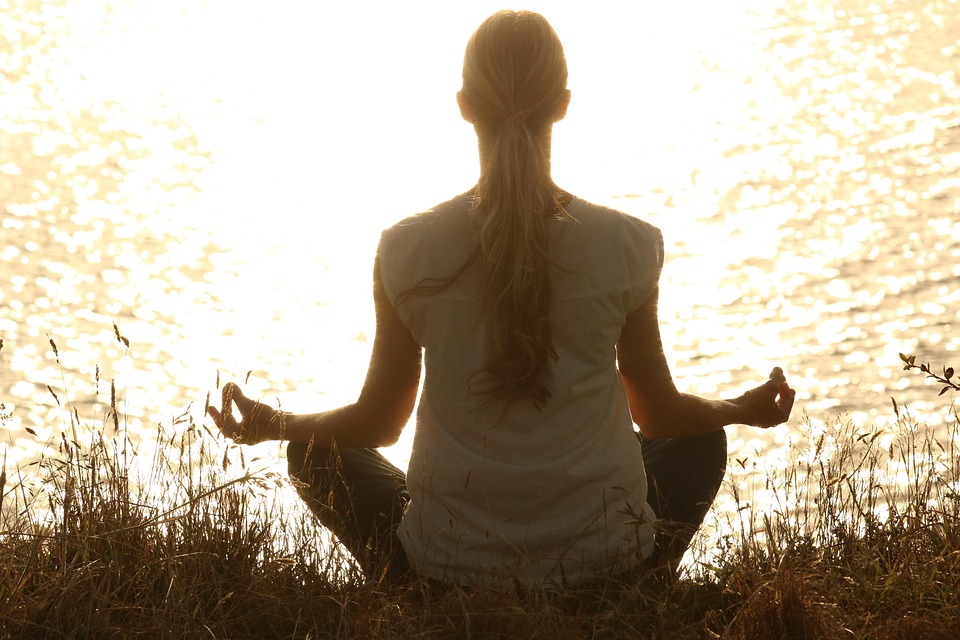
Yoga is more than just a physical discipline; it’s a lifestyle, a philosophy that fosters harmony between the mind, body, and spirit. Rooted in ancient traditions, yoga has gained popularity globally as a versatile practice suitable for individuals of all ages and fitness levels. If you’re considering embarking on a yoga journey, this comprehensive guide will help you understand what to expect, how to get started, and address common questions that might arise along the way.
Understanding Yoga
The Many Forms of Yoga
Yoga encompasses a wide variety of styles, each with its unique focus. Some of the most popular forms include:
- Hatha Yoga: A gentle introduction to the most basic yoga postures.
- Vinyasa Yoga: A dynamic flow of poses that is often synchronized with breath.
- Ashtanga Yoga: A rigorous style that follows a specific sequence of poses and is physically demanding.
- Bikram Yoga: Performed in a heated room, this style focuses on 26 postures.
- Yin Yoga: A slower-paced practice that targets deep connective tissues through long-held postures.
- Restorative Yoga: A form of yoga that aims to relax and rejuvenate the body, often involving props to assist in poses.
The Benefits of Practicing Yoga
Practicing yoga can lead to numerous physical, mental, and emotional benefits, including:
- Improved flexibility: Regular practice lengthens muscles and enhances range of motion.
- Increased strength: Many poses require you to support your body weight, building muscle tone.
- Stress relief: Through mindful breathing and meditative practices, yoga helps lower stress levels.
- Better posture: Yoga encourages awareness of body alignment, promoting a healthier spine.
- Enhanced mental clarity: Mindfulness and meditation during yoga can improve focus and cognitive function.
Starting Your Yoga Journey
Step 1: Set Your Intention
Before rolling out your mat, take some time to reflect on what you hope to achieve through yoga. Are you seeking physical fitness, stress relief, or spiritual growth? Understanding your intention can guide your practice and help maintain motivation.
Step 2: Choose a Style
Based on your goals and preferences, select a yoga style that resonates with you. If you’re unsure, consider trying a few classes in different styles to see what feels right. Most studios offer introductory classes or drop-in options.
Step 3: Find a Class or Online Resource
Whether you prefer an in-person class or an online platform, numerous resources are available:
- Local studios and gyms: Look for beginner-friendly classes in your area. Many studios offer trial classes or discounts for new students.
- Online platforms: Websites and apps like Yoga with Adriene, Glo, or Down Dog provide extensive libraries of classes tailored to various levels and styles.
Step 4: Gather Your Supplies
While yoga requires minimal equipment, having a few essential items can enhance your experience:
- Yoga Mat: A non-slip mat provides stability during poses.
- Yoga Blocks: These props can assist in maintaining proper alignment and making poses more accessible.
- Strap: A strap can improve flexibility and support in challenging poses.
- Comfortable Clothing: Wear breathable, stretchy clothing that allows for movement.
Step 5: Establish a Routine
To incorporate yoga into your life, consistency is key. Start with short sessions—perhaps 15 to 30 minutes a few times a week—and gradually increase duration and frequency as you feel comfortable. Creating a designated space for your practice can also motivate you to stick with it.
Step 6: Listen to Your Body
Yoga is about self-discovery and self-care. Always listen to your body’s signals. If a pose feels too challenging or causes pain, modify or skip it. Remember that yoga is a personal journey, and it’s essential to respect your body’s limitations.
Mindfulness and Breathing
Integral to yoga is the practice of mindfulness and breath control (pranayama). Engage in deep, conscious breathing to enhance your practice. This not only improves oxygen flow but also aids in centering your mind and aligning with your body. Simple techniques include:
- Diaphragmatic Breathing: Inhale deeply through the nose, allowing the abdomen to expand, and exhale slowly.
- Ujjayi Breathing: Maintain a soft constriction at the back of the throat while breathing in and out, creating a gentle sound.
Building Community
Yoga is often best experienced in a community setting. Joining a class allows for shared experiences and encouragement. Engaging in local workshops, retreats, or online forums can also deepen your understanding of yoga and connect you with others on similar journeys.
FAQs
1. Do I need to be flexible to start doing yoga?
Absolutely not! Yoga is for everyone, regardless of flexibility. Many beginners find they become more flexible over time with regular practice. The key is to start where you are and progress gradually.
2. How often should I practice yoga?
Start with two to three times a week, and gradually increase frequency as you feel comfortable. Even practicing for short durations can be beneficial, so find a routine that works for you.
3. What should I wear to yoga class?
Comfortable, breathable athletic clothing is ideal. Look for clothes that allow you to move freely and won’t restrict your practice.
4. Can I do yoga at home?
Yes, you can practice yoga at home! Many online classes and tutorials are available, making it easy to follow along in the comfort of your space.
5. Are there age restrictions for practicing yoga?
Yoga is inclusive and can be adapted for all ages. Ensure that the class you choose is appropriate for your age and fitness level, and don’t hesitate to ask instructors about modifications.
6. Should I eat before a yoga class?
It’s generally best to avoid heavy meals 1-2 hours before practice. If you’re hungry, opt for a light snack, such as fruit or yogurt, to avoid discomfort during your session.
7. Is yoga a good exercise for weight loss?
While yoga primarily focuses on flexibility and strength, it can aid weight loss when combined with a balanced diet and a more active lifestyle. Styles like Vinyasa and Ashtanga can burn more calories due to increased intensity.
8. What if I experience pain during practice?
It’s crucial to listen to your body. If you experience pain, modify the pose or take a break. Pain can be an indicator of improper alignment or pushing your limits.
Conclusion
Yoga is accessible to anyone willing to embark on the journey, regardless of age or experience. By setting intentions, exploring various styles, and building a routine, you’ll cultivate not just physical health but also mental clarity and emotional balance. Remember, the essence of yoga lies in the journey itself, so be patient with yourself as you unlock the many layers of this ancient practice. Whether you choose to flow in a studio or practice at home on quiet mornings, every breath is a step toward well-being.
Embrace the journey, and enjoy every moment on your mat!